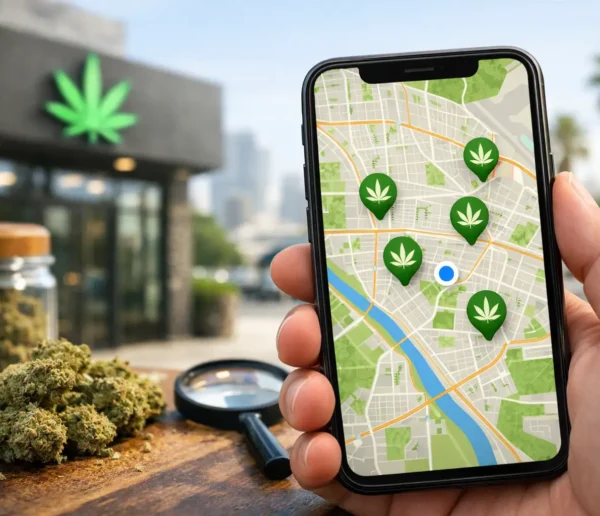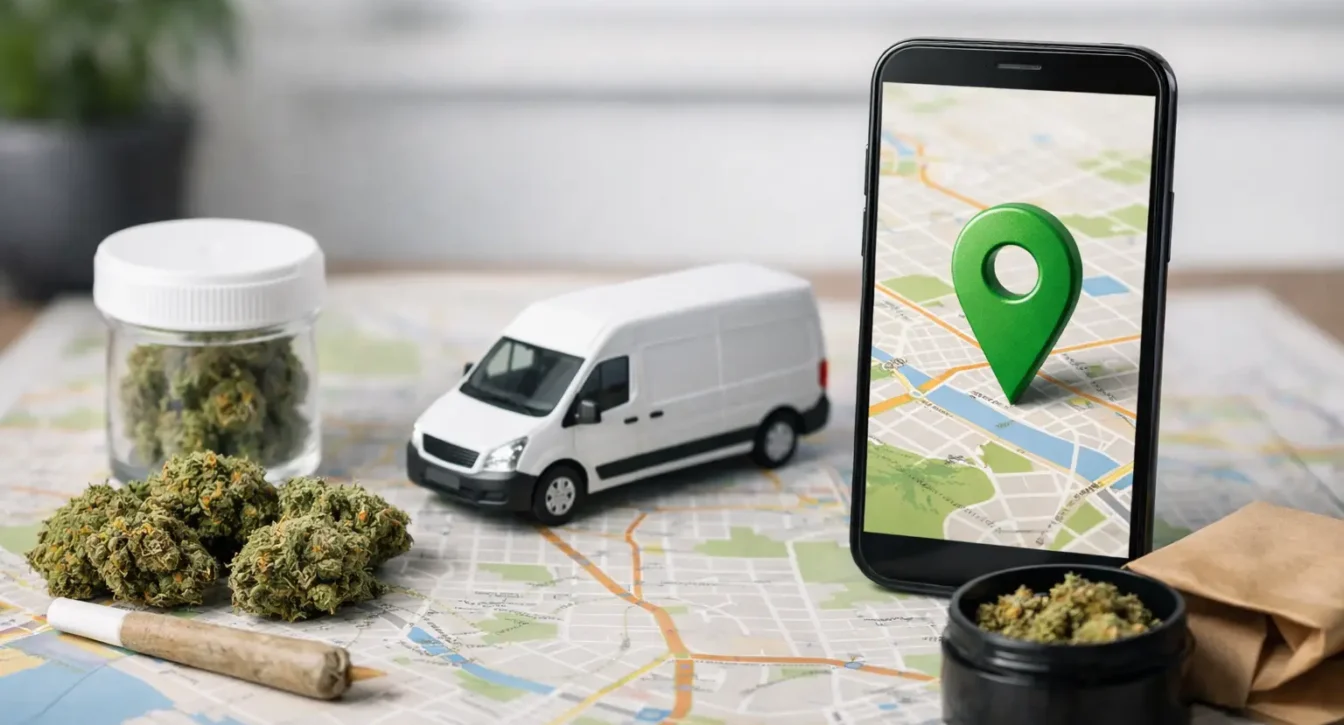
You place an order, get to checkout, and then hit the question that matters most: do you actually deliver to me? That is where a guide to cannabis delivery zones becomes useful. Delivery is not just about distance. It is shaped by licensing, local roads, staffing, order timing, and the simple reality that some addresses are easier to serve than others.
For customers, delivery zones can feel arbitrary when all you want is a straightforward answer. But there is usually a practical reason behind them. A good delivery company sets zones to keep service legal, on time, and consistent – not to make ordering harder.
What a guide to cannabis delivery zones should actually explain
A delivery zone is the geographic area a licensed cannabis delivery service is willing and able to cover. That sounds simple, but in practice it includes more than a city name on a map. It can depend on ZIP codes, travel time, road access, local demand, and whether the address is a home, hotel, campground, or another temporary stay.
This is why two customers who live what looks like the same distance away may get different results. One address may sit on a direct route with reliable access, while another may require long rural travel, special entry instructions, or a schedule that makes same-day delivery harder. The zone is really a service promise. If a company includes your area, it is saying it can realistically get your order to you within its standards for timing, compliance, and customer care.
For a local delivery business, narrow and well-managed zones are often better than broad ones that lead to delays. Most customers would rather have honest coverage and dependable service than a huge map with inconsistent wait times.
How cannabis delivery zones are decided
The biggest factor is compliance. Cannabis delivery is not handled like pizza or grocery drop-off. Licensed operators have to follow state rules, verify age or medical eligibility, and maintain a documented process for legal delivery. That means the service area has to make sense operationally, not just commercially.
Travel time matters just as much. Same-day delivery works best when routes are realistic. If drivers are spending too much time between stops, the entire schedule suffers. A company may serve a nearby city consistently while limiting orders to more remote addresses on certain days or within certain time windows.
Population density also plays a role. Areas with enough regular demand are easier to cover efficiently. More remote places may still be eligible, but they may not get the same delivery availability every hour of the day. That is not a quality issue. It is route planning.
There is also the question of safe and clear drop-off conditions. An address with easy parking, a working phone signal, and a simple handoff is easier to serve than one with gated access, vague directions, or a location where the customer is hard to reach. That is especially true for hotels, RV parks, and campgrounds, where clear arrival instructions can make the difference between a quick delivery and a long delay.
A practical guide to cannabis delivery zones for local customers
If you are ordering in North County, the fastest way to avoid frustration is to think beyond the town name. Start with your exact delivery address. A service may cover Paso Robles, Atascadero, or San Miguel, but availability can still come down to the specific location, road access, and current route load.
This matters even more if you are not at a standard residential address. Travelers staying in a hotel or motel should be ready to provide the property name, room details if allowed, and a phone number that works when the driver arrives. If you are at a campground or RV site, give the site number, gate instructions, and any landmarks that make the location easy to find.
Timing is another part of the zone question. A company may technically serve your address, but same-day service can depend on when the order is placed. An address on the edge of the delivery area may be available in the afternoon one day and next-day only on another. That does not mean the zone changed. It usually means the route is full or being optimized differently.
If you are a medical customer, have your paperwork ready from the start. Medical eligibility can affect what you are able to purchase and may open access to products or limits that do not apply in the same way to adult-use orders. It is one more reason to verify everything before checkout instead of waiting until the driver is on the way.
Why some addresses are harder to serve than others
Rural and semi-rural areas often create the most confusion. Customers understandably think, I am only a little outside town. But delivery companies look at real route conditions, not straight lines on a map. A few extra miles on a winding road can add more time than a longer trip on a direct highway.
Temporary accommodations can be another gray area. Many are deliverable, but not all are equally simple. Some properties have check-in desks, restricted parking, gate codes, or rules about where drivers can wait. The more precise the customer is, the smoother the handoff tends to be.
There is also the issue of customer availability. Cannabis orders require verification at delivery. If the driver arrives and the customer is unavailable, using a different ID, or asking someone else to accept the order, the delivery may not be completed. That is one reason reliable services are careful about zones and procedures. The farther the route, the more costly a failed delivery becomes for everyone.
What to check before you place an order
Before building a cart, confirm that your address is inside the active service area. Then check the delivery window, minimums if they apply, and any instructions for your type of location. It is better to spend one minute confirming details than to place an order that needs to be adjusted later.
Make sure your ID is current and that the name on the order matches the person receiving it. If you are ordering to a hotel, campground, or another temporary spot, stay close to your phone. Missed calls can turn a simple arrival into a delayed or canceled handoff.
It also helps to order with realistic expectations. If you are close to the center of a service area, you may have more timing flexibility. If you are farther out, earlier ordering usually gives you a better shot at same-day delivery. Convenience is still the goal, but convenience works best when the route has enough room to accommodate it.
What a good delivery zone policy looks like
A strong local delivery service does not hide the details. It makes coverage clear, sets realistic expectations, and communicates when timing or access affects the order. That kind of transparency builds trust, especially for first-time customers who want privacy without confusion.
Good zone policies also leave room for real-life situations. Not every order goes to a front porch with perfect directions. People order from hotels, job sites, family visits, and weekend stays. A dependable company knows how to handle those situations while still following the rules.
That balance matters. If a service promises everything to everyone, customers usually pay for it with delays, missed windows, or weak communication. If it defines its delivery zones carefully, the result is usually faster, more discreet, and more reliable service. That is the point.
For local customers, the best approach is simple: verify your address, be ready with ID, and give clear instructions if your location is anything other than a standard home delivery. If you are ordering from a licensed company like Dubs Green Garden, those small steps help keep the process quick, compliant, and low-stress.
Delivery zones are not just lines on a map. They are how a cannabis delivery service turns legal access into a practical, dependable experience – and when they are managed well, ordering feels easy for all the right reasons.