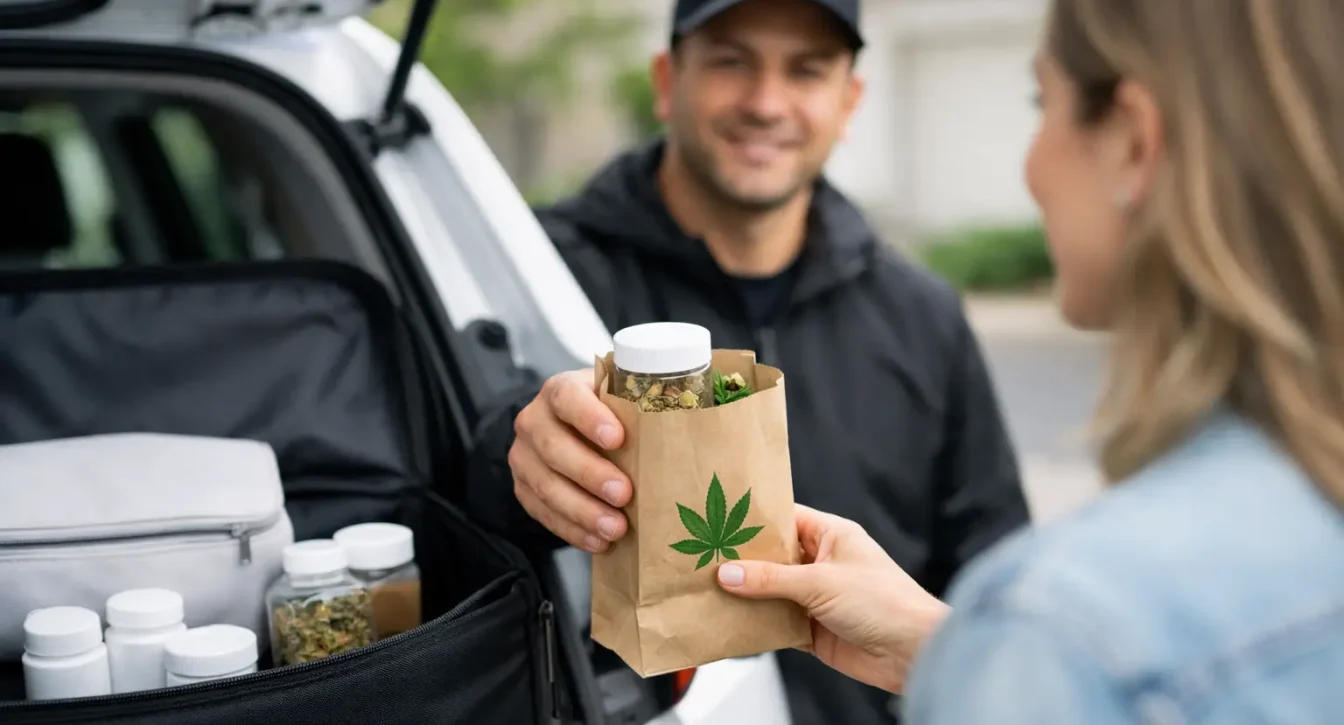
Some people do not need another cannabis shop recommendation. They need a clear answer about access. If you have been searching for a medical only delivery service, you are probably looking for something specific: legal ordering, reliable delivery, and less guesswork about what medical status actually changes.
A medical-only model is different from standard adult-use delivery. It is built for patients, not casual browsing. That matters if you are 18 or older with a valid physician’s recommendation, if you want products chosen for symptom support instead of trend appeal, or if you care about the added legal and pricing advantages that can come with medical status.
What a medical only delivery service actually means
A medical only delivery service is a cannabis delivery operation focused on qualified patients rather than the broader 21+ adult-use market. In practice, that usually means the business verifies medical eligibility before the order is completed and structures its service around state rules for medical cannabis purchases.
That sounds simple, but there is a real difference in the customer experience. Medical delivery tends to be more practical and less retail-driven. Patients are often shopping with a purpose. They may be looking for higher-CBD products, stronger dosing options within legal limits, or more predictable repeat purchases that fit a wellness routine.
For many customers, the biggest benefit is not just access. It is clarity. A medical-focused process removes a lot of confusion about who can order, what documentation is needed, and what type of products may make the most sense for the situation.
Who qualifies for medical cannabis delivery
In California, medical cannabis access generally applies to patients 18 and older who have a valid physician’s recommendation. Adults 21 and older can buy cannabis recreationally, but medical status can still matter because it may affect taxes, possession limits, and product access.
This is where people often get tripped up. They assume a medical recommendation is only for people with severe conditions. That is not always the case. Patients seek medical cannabis support for a wide range of reasons, including chronic pain, sleep issues, anxiety, appetite support, and other ongoing symptoms. The exact medical qualification process depends on current California rules and physician evaluation.
If you are under 21, medical delivery may be the only legal path to cannabis access. If you are over 21, a medical recommendation can still be worth having if you purchase regularly or want options that fit a more symptom-focused approach.
Why some customers prefer medical delivery over dispensary shopping
Convenience is the obvious answer, but it is not the only one. Medical customers often want fewer obstacles between ordering and receiving what they need. Driving to a dispensary, waiting in line, navigating a crowded menu, and making decisions on the spot is not ideal when you are already dealing with pain, stress, sleep disruption, or limited mobility.
Delivery also gives patients more privacy. That matters more than many people admit. Some customers do not want to discuss their purchases in public. Others are staying in temporary accommodations, managing health issues quietly, or simply prefer a discreet handoff at home.
There is also a trust factor. A licensed, compliant delivery service gives patients a more dependable experience than informal alternatives. You know the products are coming through a legal channel, age and identity are checked, and the ordering process follows state rules instead of cutting corners.
The real advantages of medical status
A lot of people hear “medical” and think it only changes who can buy. In reality, it can change the value of the purchase too.
Medical cannabis patients may qualify for tax savings, depending on their documentation and the structure of the purchase. They may also have access to increased possession limits under California law compared with standard adult-use customers. For some patients, that is a major practical advantage because it reduces how often they need to reorder.
Product selection can matter just as much. Medical customers are often looking for items that are less about high THC novelty and more about targeted support. High-CBD products, balanced ratios, and other symptom-oriented formats are often more relevant for this group. A medical-focused service is usually better positioned to support that kind of shopping behavior.
None of this means every patient needs the same thing. Some people want low-dose edibles for sleep. Others want flower for faster onset or vapes for convenience. The point is not that one format is best. The point is that medical delivery works best when it respects the reason behind the purchase.
How ordering usually works
The process should feel straightforward. That is one of the clearest signs you are dealing with a professional operation.
Most licensed services begin with online browsing. You select products, upload any required medical documentation if applicable, verify age and identity, and provide a delivery address. After that, the order is reviewed, packed, and sent out through a compliant delivery workflow.
For patients, the key step is documentation. A service may ask for your physician’s recommendation and government-issued ID before dispatch. That is not a hassle for the sake of it. It is part of legal compliance, and it protects both the business and the customer.
Delivery timing depends on service area, local demand, and order volume. Same-day service is often available when the order comes in during operating hours, but that is never something to assume automatically. Good operators set expectations clearly and communicate delays instead of leaving customers guessing.
What to look for in a medical cannabis delivery provider
The first thing is licensing. If a company is not clear about being state-licensed and compliant, that should stop you right there. Medical cannabis delivery is not an area where vague promises are good enough.
Next, look at how they explain the ordering process. A dependable provider makes it easy to understand who can order, what documents are needed, where they deliver, and what happens after checkout. If that information is hard to find or confusing, the service itself may be just as frustrating.
Discretion matters too. Patients often want packaging and drop-off procedures that respect privacy. That does not mean secretive. It means professional. Orders should arrive securely packaged, and drivers should handle delivery in a way that feels respectful and low-pressure.
Then there is product mix. A strong medical-friendly menu should do more than push popular THC items. It should include options for different tolerance levels, dosing preferences, and cannabinoid profiles. Not every patient needs high-CBD products, but a service that ignores them entirely is probably not thinking much about medical customers.
Medical only delivery service vs adult-use delivery
For some customers, either option works. For others, the distinction is important.
Adult-use delivery is designed for the general 21+ market. It can still be licensed, professional, and convenient. But it usually serves a wider audience with broader shopping behavior. Medical-only delivery is narrower by design. It centers the patient experience, eligibility verification, and medical-oriented access.
That narrower focus can be a real benefit. Patients may get a more relevant menu, clearer support around documentation, and a service model built around consistency instead of impulse buying. On the other hand, a purely medical service is not the right fit for someone who does not qualify and just wants adult-use access.
In areas where both options exist, the better choice depends on your status and what you value. If you are a qualified patient, medical delivery often gives you more practical upside. If you are a recreational customer, a licensed adult-use service may be the better fit.
Why local coverage matters more than people think
Delivery sounds simple until your address falls just outside a typical route. That is why local coverage matters so much, especially in places where customers are spread out or staying somewhere temporary.
In communities like Paso Robles, Atascadero, and San Miguel, delivery is not just about convenience. It can be the easiest legal option for people who do not want to make a dispensary trip part of their day. That includes busy locals, people at home after work, and travelers at hotels, RV parks, or short-term stays who want a compliant purchase without the hassle.
A good local operator understands those realities. They know the area, communicate delivery windows clearly, and build their service around real customer routines instead of generic promises. That kind of practical reliability is a big reason customers choose family-owned providers like Dubs Green Garden.
Is a medical recommendation worth it if you are already 21+
For plenty of customers, yes. Not always, but often enough that it is worth considering.
If you buy cannabis occasionally and your needs are simple, adult-use access may be enough. But if you purchase regularly, care about taxes, want higher possession limits, or are specifically looking for products that support wellness goals, medical status can offer real advantages.
It can also make shopping more intentional. Instead of buying whatever sounds good that day, you may end up building a more consistent routine around product type, cannabinoid profile, and dose. For patients managing ongoing symptoms, that kind of consistency matters.
The smartest next step is not to overcomplicate it. If medical access sounds relevant to your situation, focus on two things: getting valid documentation and choosing a licensed delivery service that explains the process clearly, respects your privacy, and shows up when it says it will.