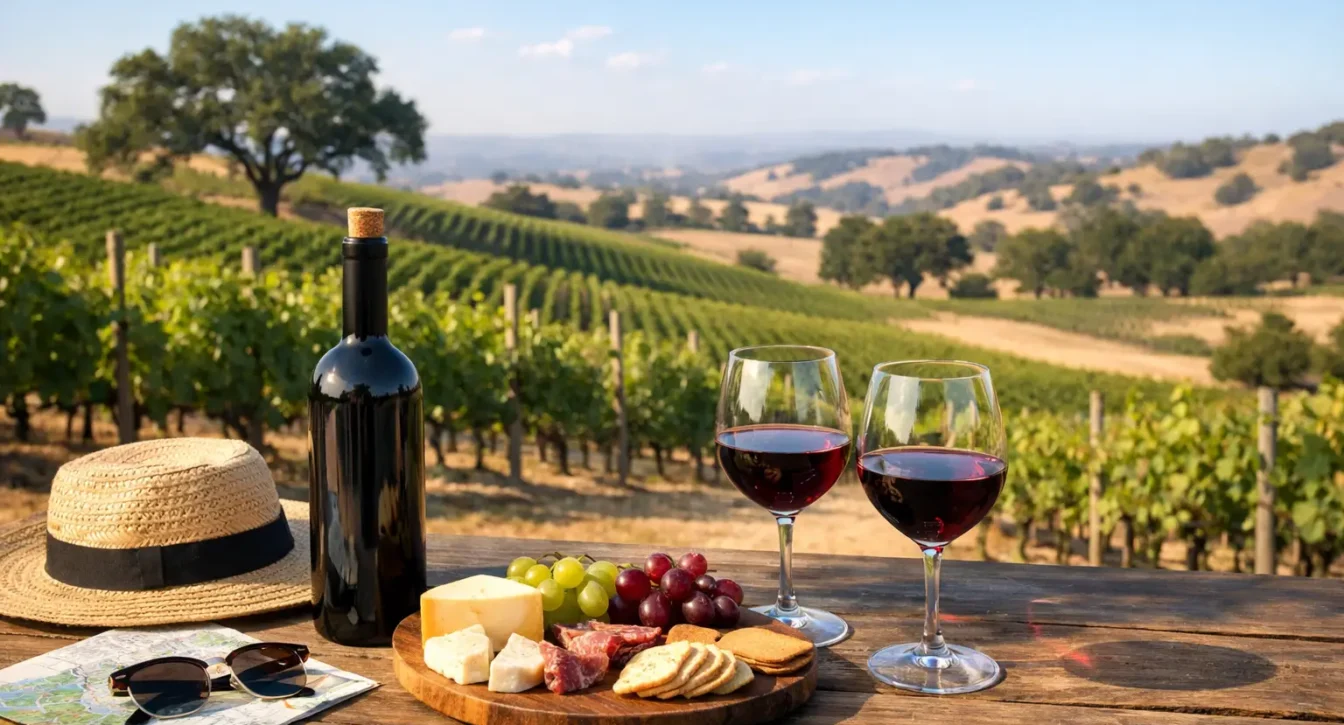
Trying to hit every big-name winery in Paso Robles in one day is the fastest way to turn a fun trip into a long, expensive blur. A better plan is to build an efficient tasting route around a few standout stops – Adelaida Vineyards & Winery, Halter Ranch, DAOU Vineyards, Thacher Winery, Cass Winery, Sculpterra Winery & Sculpture Garden, and the urban hubs in Tin City and Downtown – then leave enough room to actually enjoy it.
Paso Robles looks easy on a map, but wine country days get complicated fast. Reservation times stack up, eastside and westside drives eat more time than people expect, and palate fatigue is real by the third or fourth tasting. If you want a day that feels relaxed instead of rushed, the key is choosing the right mix of scenic estate wineries and easy-access town stops.
How to plan a Paso Robles wine tasting trip efficiently
The smartest approach is to group wineries by geography and energy level. Start with one side of Paso for your major tastings, then finish in Tin City or Downtown where you can walk, snack, and shift gears without another long drive.
If your priority is dramatic vineyard views and a more polished, destination-style experience, the westside names tend to deliver. That includes Adelaida Vineyards & Winery, Halter Ranch, DAOU Vineyards, and Thacher Winery. These are the places people often picture when they think of a Paso wine weekend – hilltop views, winding roads, and tasting patios that make you want to stay longer than planned.
If your group wants variety with less driving, combine one or two larger winery experiences with a cluster stop in Tin City or a lighter finish Downtown. This gives you better pacing. You still get the vineyard experience, but you avoid spending half the day getting in and out of the car.
A good rule is three winery appointments max if they are spread out, or four to five total tasting stops if two of them are in an urban hub. More than that usually sounds better than it feels.
Westside standouts: Adelaida, Halter Ranch, DAOU, and Thacher
Adelaida Vineyards & Winery makes sense for travelers who want classic Paso character without too much scene. It is one of those stops that feels rooted in the region. The setting is beautiful, the wines tend to appeal to people who like depth and structure, and it works well as a first tasting when your palate is fresh.
Halter Ranch is a strong pick if your group cares as much about the property as the pour. The estate is expansive, and the visit feels like an experience, not just a tasting. That can be a plus, but it also means you should budget time for it. If you book Halter Ranch, do not stack another reservation too tightly after it.
DAOU Vineyards is the view-driven stop people talk about for a reason. It is elevated, dramatic, and popular. If DAOU is on your list, treat it like a centerpiece, not a quick pop-in. It often works best as a late morning or sunset reservation because the atmosphere is part of why you are going.
Thacher Winery gives you a slightly different rhythm. It can be a nice counterpoint to the bigger-name properties because it often feels more laid-back and personal. For some groups, that makes it the better choice than trying to cram in every famous label. Efficient tasting is not just about distance. It is also about mixing high-energy stops with places where you can reset.
Trying to visit all four in one day is usually too much unless your goal is checking boxes. A better westside day is Adelaida plus Halter Ranch and one of either DAOU or Thacher. If you are starting later, choose just two and give yourself time for lunch.
Eastside and relaxed-route picks: Cass and Sculpterra
Cass Winery works well for travelers who want a more open, easygoing estate feel. It is often a good fit for groups, especially if some people in your party care about food as much as wine. That matters more than people think. A winery with a real food option can save a trip day that would otherwise get sidelined by bad timing and an empty stomach.
Sculpterra Winery & Sculpture Garden is one of the easiest recommendations for mixed-interest groups. Not everyone wants to spend an entire day talking tannins and fermentation. Sculpterra gives people something else to enjoy – art, outdoor space, and a setting that feels less formal. It is a smart middle stop if your group includes both wine enthusiasts and casual tasters.
Cass and Sculpterra pair well together because they create a lower-stress route. You get quality wine, a change of scenery, and less of that appointment-to-appointment pressure. For visitors who want a more social, less intensive day, this side of Paso can be the better move.
The Urban Hubs: Tin City and Downtown
The Urban Hubs – Tin City and Downtown – are where efficient tasting really starts to make sense. Instead of committing to another scenic drive, you can park once and keep the day moving. This is especially useful for second-day tasting when people are a little less ambitious than they were on arrival.
Tin City is ideal if your group likes variety and wants to try more than one producer without wasting time between stops. The mood is casual, and it is easier to adapt on the fly. If one spot is crowded or a tasting style is not your thing, you can pivot quickly.
Downtown Paso Robles offers a similar convenience with a more central, walkable feel. It is a strong option if your hotel is nearby or if you want dinner plans to flow naturally after tasting. It also helps avoid the common mistake of ending a wine day with one last long drive when everyone is already tapped out.
For many visitors, the best itinerary is one destination winery in the morning, lunch, then a flexible afternoon in Tin City or Downtown. You still get the vineyard postcard moment, but the second half of the day is easier and more fun.
Best itinerary options by trip style
If this is your first visit, go simple. Pick one signature westside estate such as DAOU or Halter Ranch, then add either Adelaida or Thacher if timing allows. Finish in Downtown for a lower-pressure final glass and food.
If your group wants a scenic day without overcommitting, pair Adelaida with Thacher. They complement each other well and keep the day feeling intentional instead of crowded.
If food and a relaxed pace matter most, Cass and Sculpterra make a strong combo. You can spend less time racing reservation windows and more time actually enjoying where you are.
If flexibility is the priority, make Tin City your anchor. Add one appointment winery in the morning, then leave the rest of the afternoon open. This is often the best call for couples, small groups, or anyone who knows that overplanning can backfire.
Practical tips that make the day better
Book the wineries you care about most first, especially DAOU and other view-driven estates. Those spots can shape your whole route, so work outward from them instead of trying to force them into a packed schedule.
Leave more drive time than your map suggests. Paso roads are part of the appeal, but they are not built for rushing. If you plan every leg too tightly, one late tasting starts a domino effect.
Eat earlier than you think you need to. Many bad tasting days are really just hunger and dehydration in disguise. Lunch between your first and second major stop usually works better than pushing it late.
Mix serious tastings with easier ones. Two full seated tastings back to back can feel like work, even if the wine is excellent. Pairing a structured winery visit with a casual Tin City stop keeps the day balanced.
And if your group is staying in for the evening after tasting, convenience matters. For adults 21+ and medical patients 18+ with a valid recommendation, services like Dubs Green Garden can keep the night simple with discreet, compliant delivery instead of another outing.
Where most Paso wine trip plans go wrong
The biggest mistake is planning for ambition instead of real energy. On paper, six wineries looks like value. In reality, most people remember two places clearly, one lunch, and a lot of time in transit.
The second mistake is treating every winery like it offers the same experience. It does not. Some are built for views and lingering. Some are better for focused tasting. Some shine because they are easy and social. Once you know what kind of day you actually want, the right route becomes much easier to build.
If you want efficient tasting, think in zones, choose fewer reservations, and leave room for one spontaneous stop. Paso Robles is better when the day feels steady, not squeezed. That is usually how you end up finding the place you talk about long after the trip is over.