When someone searches for “Rasizm in Paso Robles dont come here if you are black,” that does not come from curiosity alone. It usually comes from fear, frustration, or a bad experience that left a mark. If that is what brought you here, you deserve a straight answer, not a polished tourism pitch.
Paso Robles is not a place that can be summed up with one sweeping claim. Some Black visitors and residents report friendly, easy experiences. Others describe moments of bias, uncomfortable stares, coded comments, or situations that made them feel unwelcome. Both of those realities can exist at the same time, and pretending otherwise does not help anyone make a smart decision.
Is Paso Robles racist?
The honest answer is more complicated than yes or no. Paso Robles is a smaller Central Coast city with a mix of longtime locals, newer residents, tourism traffic, and rural influences from the surrounding area. Places like that can feel warm and neighborly one minute and very closed-off the next, especially if you stand out in a crowd.
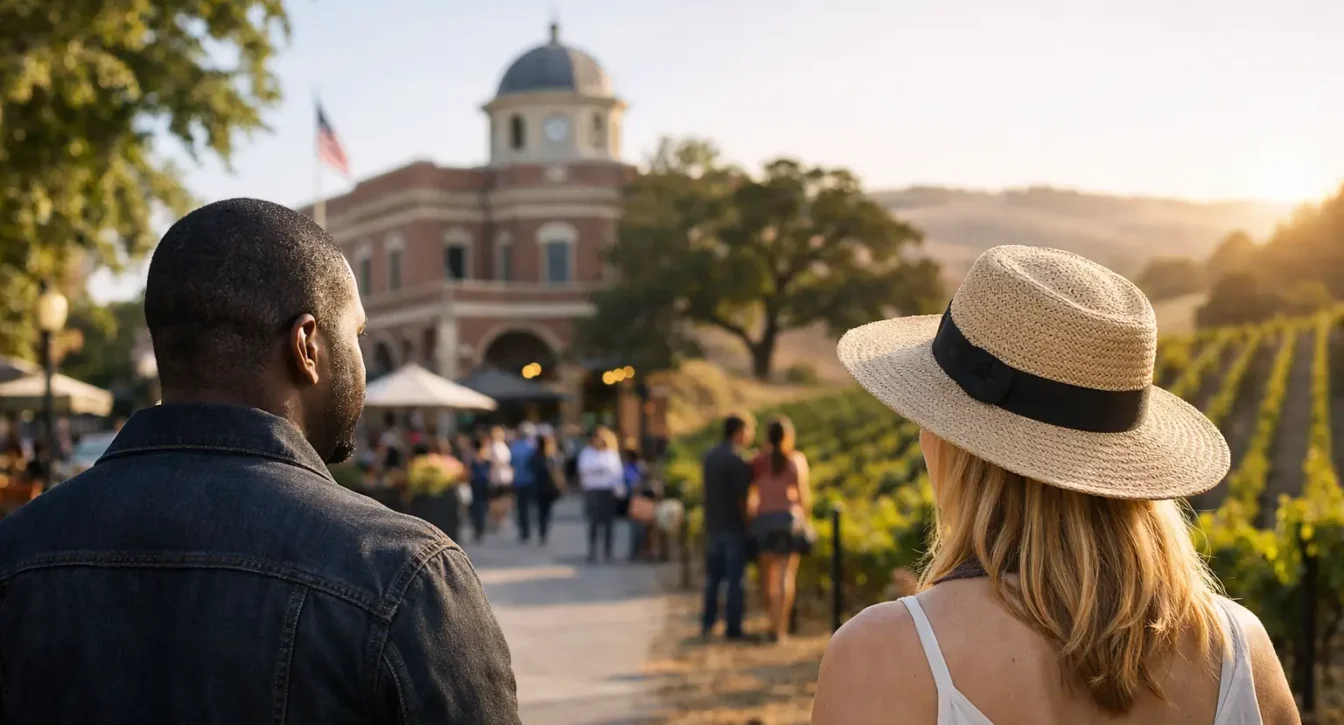
For some Black travelers, the issue is not open hostility. It is subtle tension. You might notice being watched more closely in certain businesses, getting a colder tone of service than the people ahead of you, or feeling out of place in spaces that cater heavily to a white, affluent wine-country audience. That kind of experience is hard to prove line by line, but it is real when you are the one living it.
At the same time, saying “don’t come here if you are black” is broader than what many people actually experience. Plenty of Black visitors pass through Paso Robles for wine tasting, events, work trips, or road travel without serious problems. Many local businesses are genuinely welcoming and understand that respect is not optional.
Why this question comes up so often
When people ask about racism in a destination, they are usually not asking for a sociology lecture. They want to know whether they will be safe, whether they will be treated with basic respect, and whether a weekend away will turn into stress.
Paso Robles has a few factors that make this concern more likely to surface. First, it is less diverse than larger California cities. Second, parts of the local economy are built around tourism spaces that can feel exclusive even when nobody says anything openly offensive. Third, rural and small-town environments often come with a stronger sense of who “belongs,” and visitors can pick up on that fast.
That does not mean every business, neighborhood, or event carries the same risk. It means your experience can vary a lot depending on where you go, what setting you are in, and how aware the people around you are.
What Black visitors may actually encounter
Most visitors are not dealing with blatant slurs. More often, the problem shows up in quieter ways. Service can feel dismissive. Staff may seem overly suspicious. Social spaces can feel chilly instead of welcoming. In nightlife or tasting-room settings, you may get the sense that people are comfortable with your money but not your presence.
That kind of treatment matters because travel is supposed to be relaxing. If you are spending the whole time reading the room, adjusting your behavior, or deciding whether something was racist or just rude, the trip stops feeling easy.
There is another side to this too. Paso Robles also has service workers, hospitality teams, retail staff, and local operators who are professional, respectful, and glad to help. In practical terms, many visitors have a smooth stay when they plan ahead, choose well-reviewed businesses, and stick with places that communicate clearly and treat people like people.
Safety versus comfort
It helps to separate two questions that often get lumped together. One is physical safety. The other is social comfort.
For most visitors, Paso Robles is not widely viewed as a place where Black travelers face constant physical danger. That said, feeling uncomfortable, singled out, or unwelcome can still ruin a trip even when nothing openly threatening happens. If your standard is not just “Will I be okay?” but also “Will I feel at ease?” then your answer may depend heavily on where you stay and how you spend your time.
That distinction matters because some people hear concerns about racism and immediately respond with crime stats or general claims about the town being safe. That misses the point. A place can be physically calm and still feel socially hostile.
How to read the local environment before you go
If you are considering a visit, the smartest move is to screen for businesses that make professionalism obvious. Look for places with a consistent track record of respectful customer service, clear communication, and a tone that feels welcoming rather than performative. You can often tell a lot from how a business explains its policies, responds to customer concerns, and presents itself online.
This matters more in a town where your experience can shift from one block or business to the next. In practical terms, polished websites do not guarantee inclusion, but disorganized communication and vague service standards are often a bad sign anywhere.
It also helps to be realistic about what kind of trip you want. If you want a highly diverse, culturally broad environment where you are less likely to feel hypervisible, Paso Robles may not be your first choice. If you are stopping through, staying briefly, or visiting with a clear plan, many people find it manageable and even enjoyable.
Racism in Paso Robles and local business culture
Business culture makes a big difference in places like Paso Robles. Companies that rely on repeat local customers and tourism usually understand that professionalism is part of survival. The best operators keep things simple – clear service, respectful staff, no weird energy, no guessing games.
That is especially important for visitors who value discretion and ease. Whether you are booking lodging, ordering food, or using delivery services, a smooth customer experience can lower the stress that comes with entering unfamiliar spaces. Good businesses do not make you wonder if you are being treated differently. They make the process clear and handle their job.
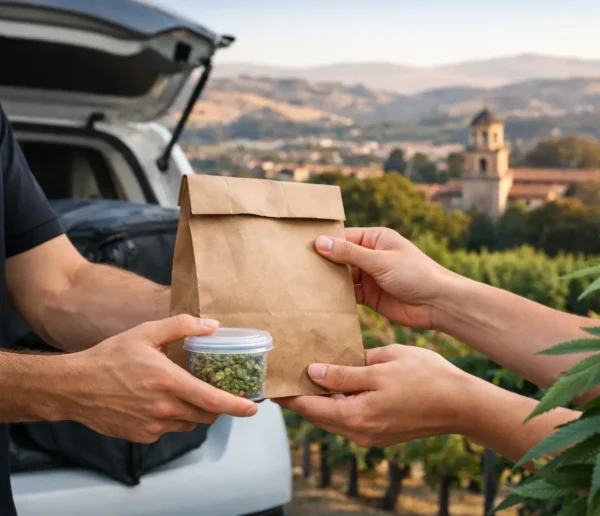
For example, in cannabis delivery, adults 21+ and eligible medical patients usually want the same things they want from any other service: privacy, straightforward ordering, reliable communication, and a professional handoff. A compliant local service like Dubs Green Garden works best when it keeps the experience simple, respectful, and discreet from start to finish.
If you already had a bad experience here
If Paso Robles left you with a bad taste in your mouth, it makes sense that you would warn others. A lot of “don’t come here” posts come from that exact place. The problem is that one ugly interaction can be very real without telling the whole story about every person or every business in town.
That does not mean you need to downplay what happened. It means your experience is useful when it is specific. Was it a hotel, tasting room, bar, retail store, or public interaction? Was the issue overt language, selective enforcement, dismissive service, or a general pattern of treatment? Specifics help other people judge risk better than broad statements alone.
There is also value in trusting your instincts. If a place feels off, leave. You do not owe any business the benefit of the doubt if their staff is making you uncomfortable.
So, should Black travelers avoid Paso Robles?
Not automatically. But blind trust is not the right answer either.
If your question is whether every Black person should stay away, the answer is no. If your question is whether concerns about racism in Paso Robles are invented or exaggerated, the answer is also no. The more accurate view is that Paso Robles can be fine for some people and frustrating for others, with outcomes shaped by setting, timing, and how much friction you are willing to tolerate.
For a short visit, planning helps. Choose businesses that act professional. Keep your schedule intentional. Do not confuse upscale branding with actual hospitality. Pay attention to how people treat you early, because first impressions are often the most honest ones.
And if you are deciding between forcing a trip and choosing a place where you know you will feel more relaxed, comfort matters. Travel is supposed to feel good. You do not need to prove a point by spending your money somewhere that makes you uneasy.
A better way to talk about “Rasizm in Paso Robles dont come here if you are black”
That phrase is raw, but it points to a real need: people want honest local information before they show up. The better version of the conversation is not denial, and it is not panic. It is clarity.
Paso Robles is neither a guaranteed bad experience nor a place beyond criticism. It is a small city where the quality of your experience can depend a lot on who you deal with. For Black visitors, that means caution is reasonable, research is worthwhile, and your comfort should stay at the center of the decision. If a place wants your business, respect should come with it automatically.