A cannabis menu can look simple until you are choosing between 3.5 grams of flower, a 1-gram live resin vape, and a 100 mg edible pack. This guide to cannabis menu terms clears up the language behind those listings, so you can place an order based on what you actually want, not what happens to have the most unfamiliar wording.
The best choice is rarely about finding the highest THC number. Product format, dose, onset time, aroma, and your personal tolerance all matter. A little menu knowledge makes ordering easier, more comfortable, and more predictable.
Cannabis Menu Terms: Start With the Product Type
Most menus group products by format. That tells you how the product is used and, just as importantly, how quickly you may feel its effects.
Flower
Flower is the dried bud of the cannabis plant. It is often listed by weight, such as one gram, an eighth (3.5 grams), a quarter ounce (7 grams), or an ounce (28 grams). Menu descriptions may include the strain name, cannabinoid percentage, terpene information, grower, and whether the flower was indoor, outdoor, or greenhouse grown.
Flower generally has a faster onset than edibles because it is inhaled. Still, the experience can vary widely by product and person. If you are new to flower, a smaller quantity lets you try something without committing to more than you need.
Pre-rolls
A pre-roll is flower that has already been ground and rolled for convenience. Single pre-rolls are common, along with multipacks and infused options. An infused pre-roll includes cannabis concentrate or kief in addition to flower, which can make it significantly more potent than a standard pre-roll.
Check the total weight and whether the listing says infused. A 1-gram standard pre-roll and a 1-gram infused pre-roll are not comparable simply because they weigh the same.
Vapes and cartridges
Vape cartridges contain cannabis oil and are designed to work with a compatible battery. Disposable vapes include the battery and oil in one device. Both are typically measured in grams, often 0.5 gram or 1 gram.
Menu terms such as distillate, live resin, live rosin, and full-spectrum describe how the oil was made or what compounds it retains. Distillate is usually refined and often emphasizes THC. Live resin and live rosin are commonly valued for preserving more of the plant’s aromatic compounds. Rosin is solventless, while resin is generally extracted with solvents and then tested for safety under California’s regulated system.
Neither category is automatically better. Distillate may be a straightforward, budget-friendly option, while a live resin or rosin vape may appeal to someone looking for a more pronounced cannabis flavor. Read the description, know your tolerance, and make sure you have the correct battery if you are ordering a cartridge.
Edibles and beverages
Edibles include gummies, chocolates, baked goods, capsules, tablets, and more. Cannabis beverages are drinks infused with cannabinoids. These products are usually labeled in milligrams, not grams.
The key terms are mg per serving and mg per package. A gummy package labeled 100 mg total with 10 pieces contains 10 mg per gummy. For many adults with low tolerance, 2.5 mg to 5 mg can be a more cautious starting point than a full 10 mg serving. The right amount depends on the person, their experience, and whether they have eaten recently.
Edibles can take longer to begin working than inhaled products, often 30 minutes to two hours or more. Their effects may also last longer. Wait before taking more. Most unpleasant edible experiences come from re-dosing too early, not from a bad product.
Concentrates
Concentrates are cannabis products with cannabinoids and other compounds extracted from the plant. Common menu terms include wax, shatter, badder, hash, live resin, rosin, and hash rosin. They can be potent and may require specialized equipment, depending on the product.
These are usually best suited to customers who already understand their tolerance and preferred method of use. A concentrate’s texture does not reliably tell you how strong it will feel. Look at the cannabinoid content, product type, and intended use instead.
Understanding THC, CBD, and Other Cannabinoids
Cannabinoids are naturally occurring compounds in cannabis. THC and CBD are the terms most shoppers recognize, but menu listings may include several others.
THC is the cannabinoid most associated with intoxicating effects. On a flower menu, it is often shown as a percentage. A listing with 25% THC contains a higher concentration of THC by weight than one listed at 18%, but that does not guarantee a better experience. Freshness, terpene profile, method of use, and your own tolerance can matter just as much.
CBD is non-intoxicating and may be listed as a percentage or in milligrams. Products with CBD and THC together are often described by ratios, such as 1:1 or 2:1. A 1:1 edible might contain equal amounts of THC and CBD per serving. People often choose balanced ratios when they want a less THC-forward option, though individual responses differ.
You may also see CBN, CBG, THCV, or CBC. Research and customer experiences around minor cannabinoids are still developing, so be careful with broad effect claims. Treat these terms as product details, not promises. If a particular cannabinoid has worked well for you before, it can be a useful menu filter.
Terpenes, Strains, and Expected Effects
Terpenes are aromatic compounds found in cannabis and many other plants. They influence smell and flavor and may contribute to the character of a product. Common terpene names on menus include myrcene, limonene, caryophyllene, pinene, and linalool.
A menu may connect a terpene profile to words like citrus, pine, pepper, floral, earthy, or berry. Those flavor notes are usually more dependable than claims that one terpene will create one guaranteed feeling. Your setting, dose, tolerance, and body chemistry all play a role.
You will also see indica, sativa, and hybrid. These labels are familiar shorthand, but they are not precise predictors of how a product will affect every person. One person may find a particular hybrid calm and easygoing, while another may feel alert from the same product. Use the label as a starting point, then compare the product’s terpene profile, THC level, and your past experience.
If a menu includes effect tags such as relaxing, uplifting, focused, or sleepy, think of them as customer-friendly guidance rather than a guarantee. For a more informed choice, keep a simple note after trying products: format, dose, strain or brand, and how it felt. That personal record becomes more useful than chasing a label alone.
Reading Potency and Package Details
Potency numbers need context. With flower, THC is commonly shown as a percentage. With edibles, tinctures, and many capsules, it is shown in milligrams. With vapes and concentrates, you may see a percentage, total milligrams, or both.
For example, a vape labeled 80% THC may be strong, but how much you use in one session determines your actual intake. With an edible, the per-piece dose usually matters more than the package total. A 100 mg bag can be manageable if it contains ten clearly portioned 10 mg pieces, but it is easier to overdo if portions are unclear.
Also look for the package date, testing information, ingredients, allergen notes, and whether the product contains cannabis only or added botanically derived terpenes. Licensed California products are tested and labeled, which gives you useful information that informal products may not provide.
Menu Filters That Actually Help
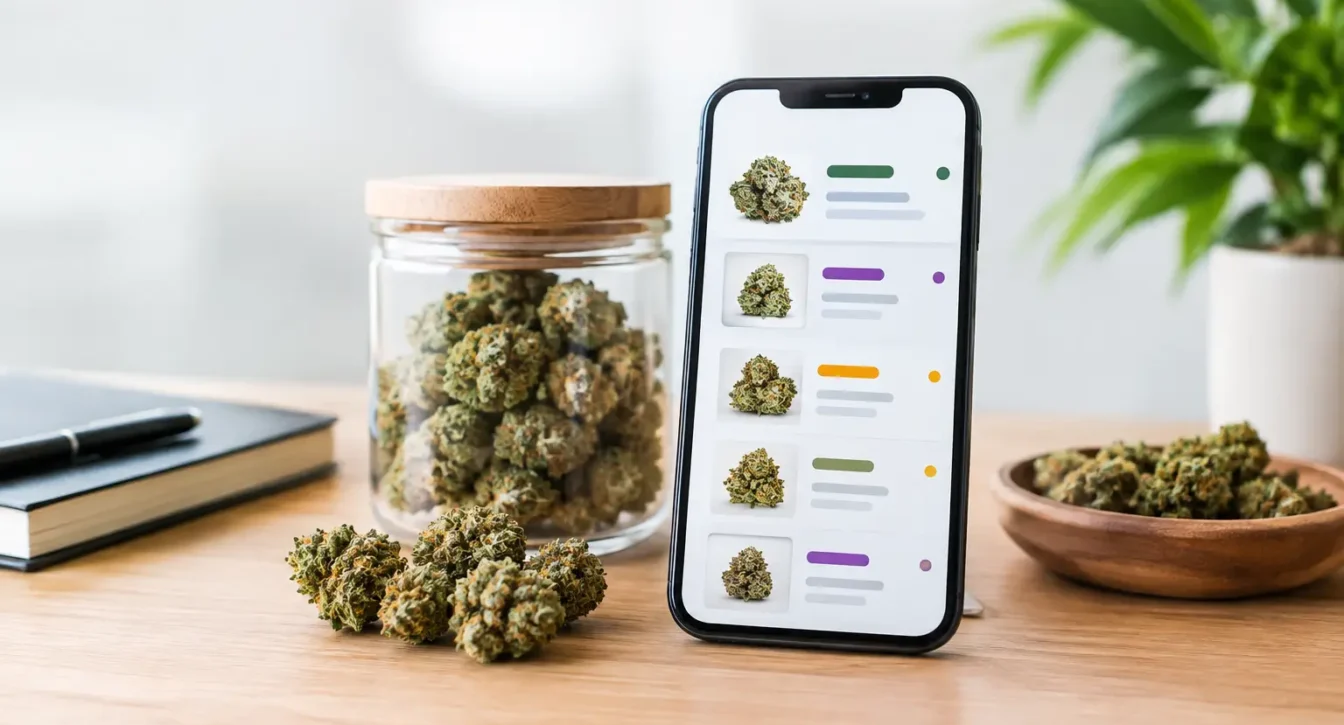
When an online menu has dozens of options, filtering by product type is usually the fastest first step. From there, filter by price range, cannabinoid preference, flavor, or brand if you already know what you like.
For a first-time edible buyer, prioritize clear serving sizes over the highest total milligrams. For flower, consider the quantity you need and whether the aroma profile appeals to you. For vapes, confirm the hardware type and decide whether you prefer a simple distillate option or a more terpene-forward extract.
Price deserves context, too. A lower price per gram can be a good value if the product is fresh and fits your needs. But a larger package is not always the better buy when you are trying a new product or expect to use it infrequently. Start with an amount you can realistically enjoy while it remains fresh.
A Better Way to Order With Confidence
Before checking out, review the product format, serving size or weight, cannabinoid content, and any notes about use. If you are experimenting with a new edible, go low and wait. If you are choosing a higher-potency inhaled product, take one small inhalation and give yourself time before more.
Adults 21+ and qualifying medical patients 18+ with a valid recommendation can order from licensed California cannabis retailers. Keep products secured, do not drive after using cannabis, and store edibles where children and pets cannot reach them.
For customers ordering delivery in Paso Robles, Atascadero, or San Miguel, clear menu terms remove much of the guesswork before the order is placed. Choose the format that fits your plans, read the label with care, and let your own experience guide the next product you try.