That citrusy flower that catches your attention and the vape with a sharp pine note are not just smelling different by accident. Their aroma comes largely from terpenes, natural compounds found in cannabis and many other plants. With top terpene profiles explained in plain language, it becomes easier to shop beyond broad labels and choose products based on the experience you actually want.
Terpenes can make a cannabis product smell earthy, fruity, peppery, floral, or like fresh-cut herbs. They also shape flavor, especially in flower and full-spectrum vapes. But they are one useful piece of the picture, not a promise of a specific result. Your personal response, the product’s cannabinoid content, dose, and freshness all matter.
Why terpene profiles deserve a closer look
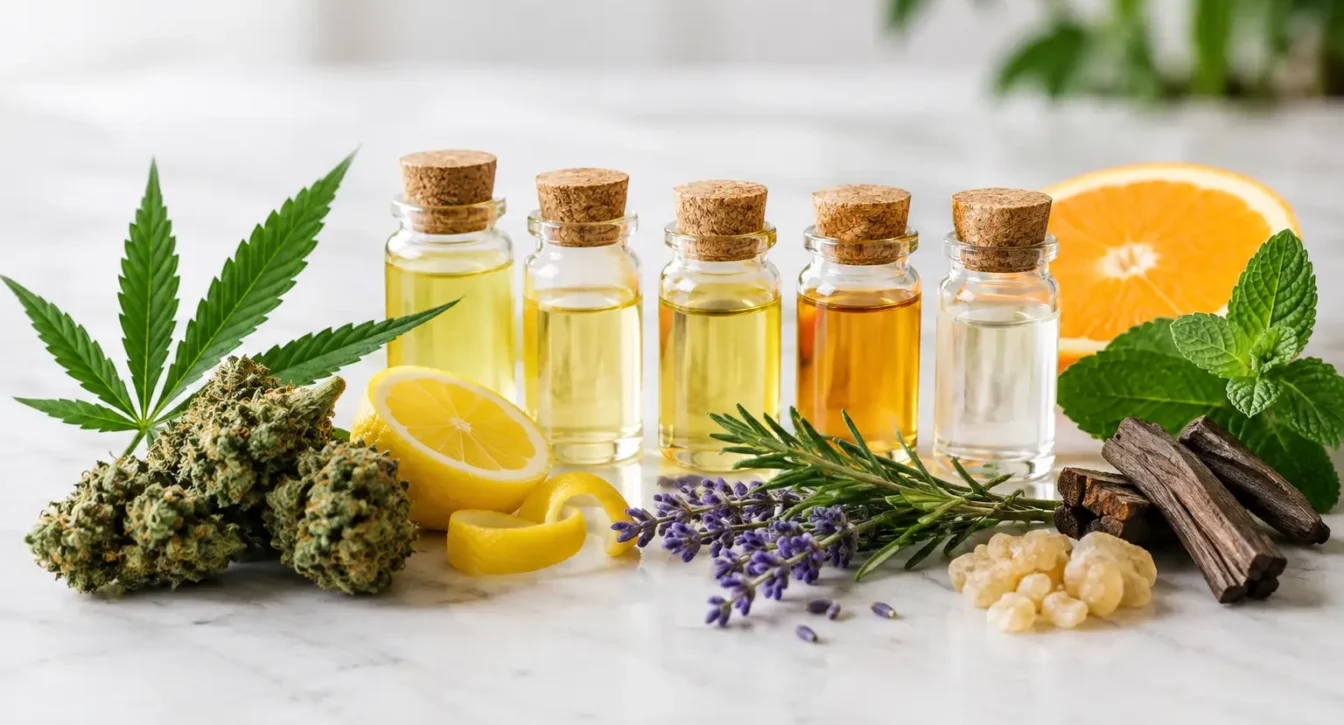
A terpene profile is the mix of terpenes present in a cannabis cultivar or product. One dominant terpene may stand out, but most products contain several. Think of it like a recipe: limonene may bring citrus, while caryophyllene adds pepper and myrcene brings a deeper herbal note. The overall combination is what you notice.
This is more useful than relying only on indica, sativa, or hybrid labels. Those categories can be familiar shorthand, but they do not consistently tell you how a particular product will smell, taste, or feel. Two products labeled the same way can have very different lab results and very different terpene blends.
You may hear people discuss an entourage effect, meaning cannabis compounds may work differently in combination than in isolation. Research into these interactions is still developing. It is reasonable to use terpene information as a shopping clue, but not as a medical claim or a guarantee that a product will produce the same effect for everyone.
Top terpene profiles explained: seven common names
Myrcene: earthy, musky, and herbal
Myrcene is one of the most common cannabis terpenes. Its aroma is often described as earthy, musky, herbal, or clove-like. Some people also pick up a ripe fruit note. It is found outside cannabis in plants such as hops, thyme, and lemongrass.
Products with noticeable myrcene are frequently associated by consumers with a more laid-back, full-bodied experience. That can be a helpful starting point if you prefer a mellow evening option, but concentration matters. A product with myrcene on the label is not automatically sedating, and THC content can change the experience significantly.
Limonene: bright citrus character
Limonene is responsible for the lemon, orange, grapefruit, and candy-citrus aromas found in many popular cultivars. It is also common in citrus peels, which explains why the scent is easy to recognize.
Many shoppers look for limonene-forward products when they want a fresh, upbeat-smelling option. Still, a bright aroma is not a guarantee of energy or focus. If you are trying limonene-heavy flower or a vape for the first time, choose a modest amount and see how that individual product suits you.
Beta-caryophyllene: peppery and spicy
Beta-caryophyllene, often shortened to caryophyllene, has a distinct black pepper, warm spice, and sometimes woody aroma. It occurs in black pepper, cloves, cinnamon, and rosemary. If a flower smells like it has a little peppery bite, caryophyllene may be part of the reason.
Caryophyllene gets attention because it interacts with the body differently than many other terpenes. That does not turn a cannabis product into treatment, but it is a worthwhile detail for adults who want to understand what they are buying. In a profile, caryophyllene often helps give citrus or sweet notes more depth.
Pinene: pine, rosemary, and fresh herbs
Pinene smells much like its name suggests: pine needles, rosemary, basil, or forest air after a warm day. There are two main forms, alpha-pinene and beta-pinene, and both can appear on lab reports.
People often seek pinene-rich options for their crisp, clean flavor. It commonly shows up alongside limonene, creating a lively citrus-and-pine profile. Because pinene can feel sharp or intense in a vape, flavor-sensitive shoppers may prefer a lower-temperature setting when their device allows it.
Linalool: soft floral notes
Linalool is associated with lavender, delicate flowers, and a light sweet spice. It is usually less loud than limonene or pinene, but it can make a profile feel smoother and more aromatic.
A linalool-containing product may appeal to someone who enjoys floral, gentle-tasting cannabis rather than fuel-heavy or aggressively fruity options. It is commonly discussed in relation to calming aromas, yet the same rule applies: do not treat a terpene label as a prediction. Start with your own prior experience and consume responsibly.
Humulene: woody, hoppy, and earthy
Humulene is found in hops and can bring woody, earthy, herbal, or slightly bitter notes. It often appears with caryophyllene, which makes sense because both contribute to the spicy, hop-like character some people love in classic cannabis flower.
This profile tends to be a good fit for shoppers who prefer savory aromas over dessert-like sweetness. If you have enjoyed cultivars that smell like herbs, wood, or a hoppy beverage, humulene is a name worth watching for on product information.
Terpinolene: fresh, complex, and sometimes fruity
Terpinolene can be harder to describe because it is often complex. Depending on the product, it may smell fresh, floral, piney, herbal, citrusy, or lightly sweet. It is usually present in lower amounts than myrcene or limonene, but in some cultivars it becomes the defining aroma.
Terpinolene-forward products are often popular with shoppers looking for something aromatic and less predictable than a simple citrus or gas profile. If a menu description says tropical, fresh, floral, or bright herb, terpinolene may be helping build that character.
How to use a terpene label when shopping
Start with scent and flavor preferences you already know. If you enjoy citrus, look for limonene. If peppery, earthy flower is more your style, caryophyllene, myrcene, and humulene may be better clues. If you like a clean botanical note, consider pinene or terpinolene.
Then check the bigger picture. A useful product label or lab result may show dominant terpenes, total terpene percentage, THC and CBD content, and the package date. High terpene numbers can indicate a more aromatic product, but they do not automatically mean better quality. Balance, freshness, cultivation, storage, and your own preferences matter just as much.
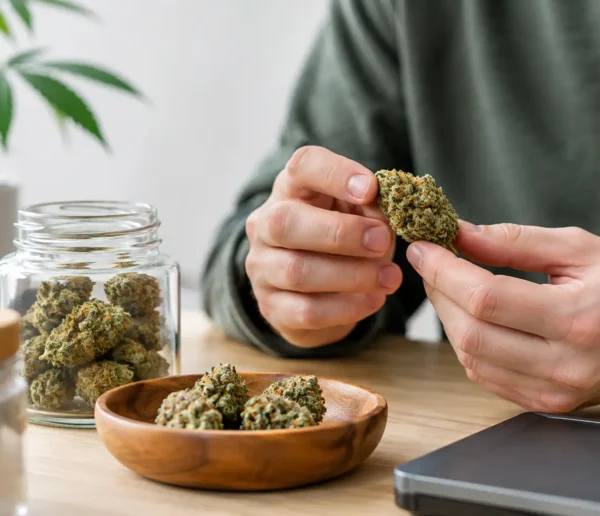
For flower, gently smelling the sealed product when permitted can tell you a lot. A strong, natural aroma often signals careful handling, while dry flower with little scent may not deliver the flavor you expected. For vapes, look at whether the product uses cannabis-derived terpenes or botanical terpenes. Neither is automatically right or wrong, but cannabis-derived profiles are generally chosen by shoppers who want flavor closer to the original flower.
Keep dose and format in the decision
Terpenes help you narrow choices, but they should not replace smart dosing. A high-THC edible with a limonene-forward label can still be intense, especially because edibles take longer to take effect and can last much longer than inhaled products. Start low, wait patiently, and avoid stacking doses too soon.
With flower and vapes, take one small inhalation and give yourself time before consuming more. This is especially helpful when trying a new terpene profile, a new brand, or a more potent product. Adults new to cannabis may find that the aroma they love is a better first guide than chasing the highest THC percentage.
When you are browsing a legal cannabis menu in Paso Robles or nearby North County, use terpene names as a practical filter rather than a complicated science test. Dubs Green Garden customers can shop with more confidence by knowing whether they are looking for citrus, pine, pepper, floral notes, or a deeper earthy profile.
The best terpene profile is the one that smells appealing, fits your plans, and feels right at a responsible dose. Keep a simple note of products you enjoy and the terpenes they contain. After a few purchases, your own preferences will tell you more than any trendy strain name ever could.